

Female Headers are essential components in electronic devices, providing reliable connections for PCB boards, microcontrollers, and various modules. They serve as complementary connectors to male headers, allowing flexible plug-in and removal of pins without soldering. The primary focus of this article is to explore Female Headers in depth, covering their specifications, applications, frequently asked questions, and industry insights. By understanding their role in electronics, engineers and designers can make informed decisions for device assembly, prototyping, and production.
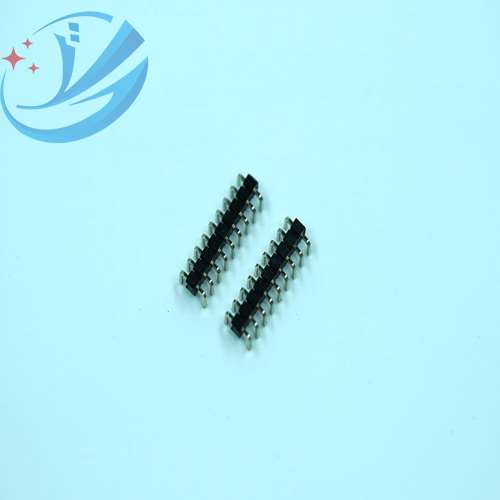
Female Headers come in multiple configurations depending on pin count, pitch, and orientation. The following table summarizes typical parameters for standard Female Headers:
| Parameter | Description |
|---|---|
| Pin Count | 2 to 40 pins per row, single or double row configurations |
| Pitch | Standard 2.54mm (0.1 inch) pitch; some models available at 1.27mm or 2.0mm |
| Material | Phosphor bronze or brass with gold or tin plating |
| Current Rating | Typically 1A–3A per pin depending on size and plating |
| Operating Temperature | -40°C to +105°C |
| Mounting Type | Through-hole or surface mount (SMT) |
Female Headers are widely used across electronic devices and industries, including:
They are preferred for applications requiring modularity, easy replacement, or frequent connection/disconnection cycles. Proper selection of Female Headers ensures signal integrity, mechanical reliability, and compatibility with mating connectors.
A Female Header is a socket-style connector that receives pins from a Male Header. The key difference lies in their physical structure: Female Headers have receptacles for insertion, while Male Headers have protruding pins. This configuration enables secure and detachable connections on PCBs and modules.
Selecting the correct Female Header depends on pin count, pitch, current rating, and mounting type. Engineers must ensure compatibility with the corresponding Male Header and verify mechanical fit, electrical requirements, and thermal tolerances to ensure reliable operation.
Yes, certain Female Headers are designed for high-current or high-frequency applications. Selecting headers with proper plating (gold for high conductivity), appropriate pin spacing, and material strength is critical to prevent overheating, signal loss, or mechanical failure.
Installation depends on the mounting type. Through-hole headers require soldering into pre-drilled PCB holes, ensuring firm mechanical attachment. SMT headers are placed onto PCB pads and soldered via reflow soldering. Correct orientation and alignment are essential for seamless module connections.
Common failure points include bent pins in the mating Male Header, wear on the receptacles due to repeated insertions, corrosion, or overheating. Selecting quality materials and proper usage reduces the risk of premature failure.
The demand for high-density, miniaturized, and versatile connectors continues to grow in electronics. Female Headers are evolving with innovations such as:
These trends indicate a move towards more modular, durable, and high-performance connectors capable of supporting emerging technologies in electronics manufacturing.
JYE is a trusted provider of high-quality Female Headers, offering a wide range of specifications to meet industrial, commercial, and hobbyist needs. Their products ensure precise fit, electrical reliability, and long-term durability, supporting projects from prototyping to large-scale production.
For inquiries or to request a quote, contact us today and discover the best solutions for your electronics projects.


