

Modern electrical and electronic equipment is becoming increasingly compact, integrated, and functionally complex. As control cabinets, automation equipment, communication systems, industrial instruments, and electronic devices continue to evolve, connection components must provide stable electrical performance while fitting into increasingly demanding installation environments. Connection reliability is no longer determined only by the cable itself. Interface design, mounting structure, environmental protection, and compatibility between components all influence the performance of a complete electrical system.
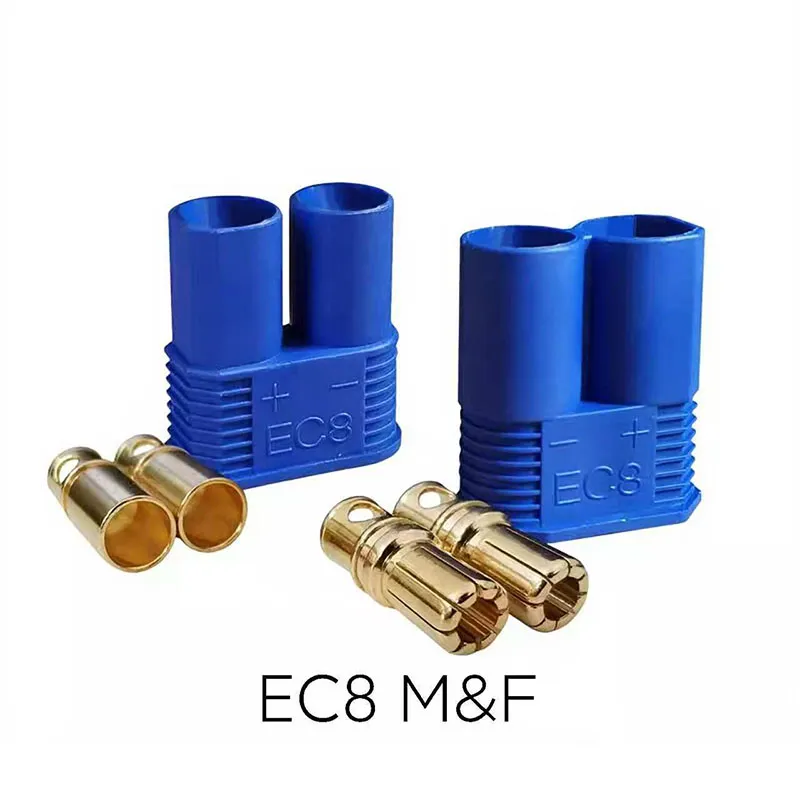
A Panel Connector provides a practical approach for establishing organized connections through equipment enclosures and mounting surfaces. By integrating the connection interface into a defined panel position, engineers can simplify cable routing and create a more structured internal layout. This approach is particularly useful when equipment requires frequent assembly, maintenance, replacement, or connection to external devices.
Different applications place different demands on electrical connection components. Industrial equipment may operate under vibration, dust, temperature variation, or continuous mechanical movement, while communication and electronic equipment may place greater emphasis on signal integrity and compact installation. A suitable connection design therefore needs to consider the actual working environment rather than focusing on a single performance characteristic.
These requirements are encouraging manufacturers to improve connector structures and production processes. Instead of treating connection components as simple accessories, modern engineering teams increasingly regard them as an important part of overall equipment architecture.
The expansion of industrial automation and intelligent equipment is creating more complex connection requirements. Machines increasingly combine sensors, controllers, motors, communication modules, switches, and monitoring devices within the same system. As the number of electrical interfaces increases, equipment designers need connection solutions that support organized installation without making maintenance unnecessarily complicated.
Panel-mounted connection structures can help separate external interfaces from internal wiring arrangements. This can create a cleaner equipment layout and make individual connection locations easier to identify during installation or service work. For equipment manufacturers, a well-planned interface can also contribute to more consistent assembly procedures.
| Industry | Typical Requirement | Connection Consideration |
|---|---|---|
| Industrial Automation | Reliable machine communication | Secure mounting and organized wiring |
| Electronic Equipment | Compact internal integration | Space-efficient connection design |
| Communication Systems | Stable signal transmission | Suitable interface compatibility |
| Control Systems | Structured equipment wiring | Accessible connection points |
These applications demonstrate why connector development is closely connected with broader industrial technology trends. As equipment becomes more intelligent, connection components must accommodate increasingly diverse electrical and mechanical requirements while maintaining consistent performance.
Standard components can satisfy many common applications, but specialized equipment often requires a more precise approach. Differences in panel construction, cable configuration, installation space, electrical requirements, and environmental conditions can make customization necessary. A connection component that works effectively in one machine may not provide the same installation advantages in another system.
Customized Panel Connector solutions allow manufacturers to consider the complete equipment structure during the design stage. Factors such as mounting position, connector configuration, cable arrangement, and protection requirements can be evaluated together. This can help reduce unnecessary modifications during final assembly and improve compatibility between the interface and the surrounding equipment.
A manufacturer capable of supporting customized designs can therefore provide greater flexibility for equipment developers. Engineering communication is especially important because the final solution needs to reflect both the electrical requirements and the physical structure of the equipment.
Connector performance depends heavily on manufacturing consistency. Small variations in dimensions, contact structures, insulation components, or assembly quality can affect how reliably a connection performs during extended operation. For this reason, professional manufacturers need to maintain effective quality control throughout material selection, component production, assembly, and final inspection.
Reliable manufacturing also requires attention to the relationship between different components. A connector does not operate independently. Its performance depends on the cable, terminal, housing, mounting structure, and equipment interface working together as a complete system. Careful engineering and production control can help reduce compatibility issues and improve consistency across applications.
Material selection is one of the foundations of connector manufacturing. Conductive materials need to support stable electrical contact, while insulating and housing materials must provide appropriate mechanical and environmental performance. The selection process should be based on the intended application rather than simply choosing materials according to general specifications.
Production precision is equally important. Consistent molding, terminal processing, assembly, and dimensional control help ensure that components maintain their intended structure. Final inspection provides another opportunity to identify potential manufacturing issues before products enter an application environment.
This manufacturing approach is becoming increasingly important as electronic equipment moves toward longer operating cycles and higher system integration. Reliable connection components can contribute to a more stable overall equipment architecture and reduce avoidable maintenance challenges.
In addition to electrical performance, installation efficiency has become an important consideration for modern equipment manufacturers. Complex machinery may contain extensive internal wiring, making installation time and accessibility significant factors during production and maintenance. A clearly defined interface can help technicians understand connection locations and organize cables more effectively.
Panel-mounted designs can also support a more structured separation between external equipment connections and internal wiring. This arrangement may simplify assembly workflows and make future service work easier. When equipment is frequently modified or maintained, accessible connection interfaces can be particularly valuable.
| Consideration | Practical Benefit |
|---|---|
| Organized interface placement | Clearer equipment assembly |
| Accessible connection locations | More convenient maintenance |
| Compatible mounting structure | Reduced installation adjustment |
| Structured cable routing | Improved internal organization |
For equipment manufacturers, these benefits can become part of a broader effort to improve production efficiency. A connection solution that is easy to install and service can support not only the electrical system but also the practical requirements of manufacturing and field maintenance.
The development of electrical connection technology will continue to follow the direction of smarter equipment and greater system integration. Industrial machines are increasingly connected to monitoring systems, control platforms, sensors, and communication networks. This creates demand for interfaces that can accommodate different connection requirements without compromising equipment organization.
Miniaturization is another important trend. As control systems become more compact, engineers must make better use of available installation space. Connection components therefore need to balance physical dimensions with electrical performance, mechanical stability, and serviceability.
Adaptability will remain particularly important because electrical equipment varies considerably between industries and applications. Manufacturers that combine product development with engineering support can respond more effectively to these changing requirements.
Shenzhen JYE Technology Co., LTD has built its business around the development and manufacturing of connector wiring solutions. Founded in 2010, the company began with a professional team focused on providing high-quality electrical connection products and has continued to expand its capabilities through research, development, manufacturing, and customer service.
Its product portfolio covers wire harnesses, connectors, switches, and ferrite cores, allowing the company to address different requirements within electrical connection systems. Customization is also an important part of its service offering. Because wiring and interface requirements can vary significantly between applications, Shenzhen JYE Technology Co., LTD works toward developing solutions that correspond with specific equipment structures and connection requirements.
With a focus on quality, innovation, and customer satisfaction, Shenzhen JYE Technology Co., LTD continues to strengthen its role in the connector and wiring industry. Its combination of product development experience and customized manufacturing capability provides a practical foundation for supporting manufacturers seeking reliable connection solutions for modern electrical and electronic equipment.


