

Electrical safety is a critical concern for any industrial control panel. Poor connections, insulation failure, or mechanical stress can lead to system malfunctions, fire hazards, and equipment damage. Our team at Shenzhen JYE Technology Co., LTD. has extensive experience designing Electronic Connector solutions that improve both safety and reliability. In our factory, we focus on precise tolerances, high-quality materials, and robust construction to ensure that each connector performs consistently under demanding industrial conditions. Choosing the right electronic connector can prevent arc faults, overheating, and unintended short circuits, providing peace of mind for system operators and engineers alike.
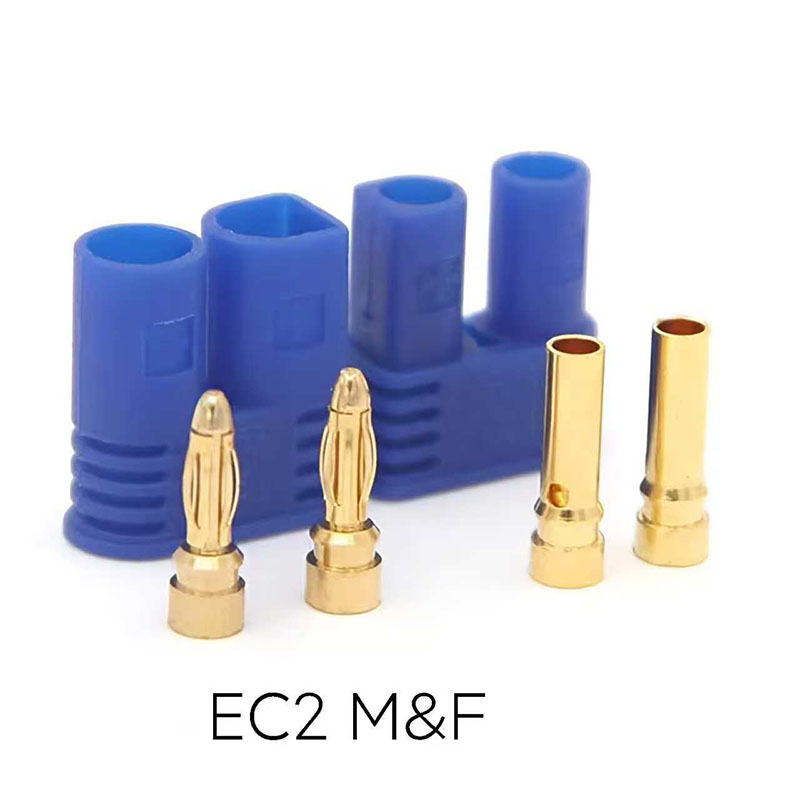
The design of an Electronic Connector directly influences its safety performance. Our engineers prioritize secure locking mechanisms, high dielectric strength, and corrosion-resistant contacts. Shenzhen JYE Technology Co., LTD. integrates features such as polarization keys, snap-fit latches, and reinforced housings to prevent misalignment or accidental disconnection. When we develop our products, we test their resistance to vibration, thermal cycling, and mechanical shock to simulate real industrial conditions. In our factory, quality control includes electrical continuity verification and insulation resistance testing for every batch of Electronic Connector.
Advanced materials like tin-plated copper, high-temperature thermoplastics, and reinforced polymer housings are selected based on operating temperature, load current, and environmental exposure. These considerations ensure that our connectors maintain low contact resistance, reduce heat generation, and prevent potential fire hazards over extended service life.
Voltage, current rating, and insulation resistance are crucial factors for evaluating Electrical Connector performance. Exceeding the specified voltage or current can lead to overheating, insulation breakdown, or arcing. At Shenzhen JYE Technology Co., LTD., we provide detailed specifications for each Electronic Connector, allowing engineers to match connectors precisely to control panel requirements. In our experience, matching ratings with system demands reduces maintenance intervals and increases overall operational reliability.
The table below illustrates common connector ratings and their suitable industrial applications:
| Current Rating (A) | Voltage Rating (V) | Typical Application | Notes |
| 5–10 | 250 | Small signal circuits, sensor connections | Used for low-power control and monitoring circuits |
| 10–30 | 400 | PLC input/output modules | Balances power handling and compact size |
| 30–60 | 600 | Motor starters, relays | High current connections in control panels |
Mechanical stability is essential for maintaining consistent electrical connections. Vibration, thermal expansion, and repeated mating cycles can compromise a connector if it is not designed for durability. Our factory tests Electronic Connector under repeated mechanical stress, ensuring that contacts remain tightly engaged and housings do not deform. When our customers install these connectors in industrial panels, the reduced risk of accidental disconnection or contact misalignment improves both operator safety and system reliability.
Features such as strain relief, keying, and reinforced housings minimize the effects of external forces. Our engineering team also considers mounting orientation and panel layout when recommending connectors, ensuring that they maintain secure connections in all operational conditions.
Industrial environments can be harsh, with dust, moisture, chemicals, and temperature fluctuations affecting panel performance. Selecting Electronic Connector materials with environmental resistance helps prevent corrosion, short circuits, and degradation of insulation. Our products incorporate high-grade thermoplastics, sealing gaskets, and protective coatings to withstand these conditions. At Shenzhen JYE Technology Co., LTD., we simulate humidity, temperature cycles, and chemical exposure to validate connector longevity before shipment.
Proper sealing and IP-rated designs prevent ingress of contaminants and moisture, reducing the likelihood of arc faults. Our customers find that this approach significantly extends the service life of control panels while maintaining consistent electrical performance under challenging conditions.
Q1: How does connector selection prevent electrical hazards in control panels?
Choosing connectors rated for the system voltage and current ensures that contacts do not overheat or degrade. Properly rated connectors reduce the risk of insulation breakdown and arc faults, maintaining a safe operating environment.
Q2: Why is mechanical reliability critical for panel connector safety?
Mechanical stability prevents accidental disconnections, misalignment, or stress on contacts. Vibration-resistant and reinforced connectors maintain secure engagement, reducing the risk of short circuits and operational interruptions.
Q3: How do environmental protections in connectors improve long-term safety?
Sealed connectors with corrosion-resistant materials prevent moisture and dust ingress, which can cause shorts, arcing, or insulation failures. Environmental resistance ensures consistent performance over the service life of the panel.
Electrical safety in industrial control panels depends on connector design, mechanical stability, environmental resistance, contact material, and proper installation. Our team at Shenzhen JYE Technology Co., LTD. continuously develops and tests Electronic Connector to meet demanding industrial standards. By selecting the right connector and following recommended installation practices, system operators can significantly reduce electrical hazards and ensure long-term panel reliability. If you are looking for expert guidance, tailored solutions, or high-performance connectors for your control panels, contact our technical department today and let our engineers help you optimize safety and performance.


