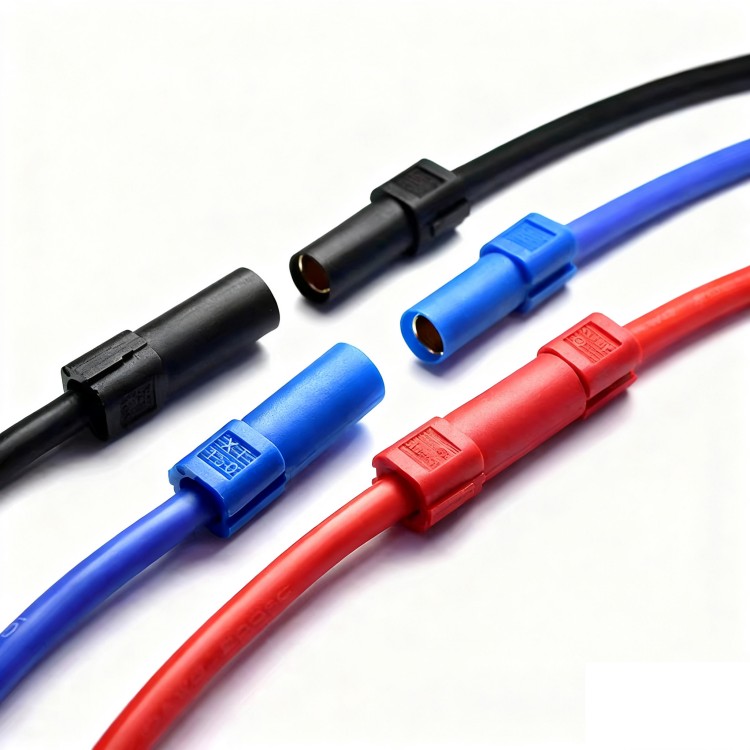
Receptacles are essential components in electronic and electrical systems, providing reliable interconnection between various devices and circuit boards. These components ensure secure and stable connections, which are crucial for the performance and longevity of electronic assemblies. Among the various types of receptacles, Female header connectors are widely used for interfacing with male pins, offering durability and ease of use. Similarly, DIP header types are designed for dual in-line package applications, enabling straightforward integration into printed circuit boards. For general-purpose PCB mounting, PCB header options provide versatile solutions with excellent electrical conductivity. Additionally, Single row header receptacles are ideal for space-constrained designs, allowing efficient single-line connections without compromising on reliability. By incorporating these specialized receptacles, engineers can achieve optimized circuit layouts and enhanced system functionality.
Receptacles play a pivotal role in modern electronics by facilitating seamless connections across diverse applications. The design and specifications of Receptacles are critical to ensuring compatibility and performance in demanding environments. Below is a detailed overview of key parameters for Receptacles, presented in both list and table formats to highlight their technical attributes.
| Parameter | Specification | Common Applications |
|---|---|---|
| Insulation Resistance | >1000 MΩ | High-frequency circuits, automotive systems |
| Contact Resistance | <20 mΩ | Data communication devices, power supplies |
| Mating Cycles | Up to 5000 cycles | Test equipment, reusable connectors |
| Mounting Type | Through-hole or surface mount | PCB assemblies, modular electronics |
| Flammability Rating | UL94V-0 compliant | Safety-critical applications, industrial controls |